The newly formed Precision Crop Protection Workgroup provides a platform to focus on sustainable crop-protection practices. By Jenny Underhill.
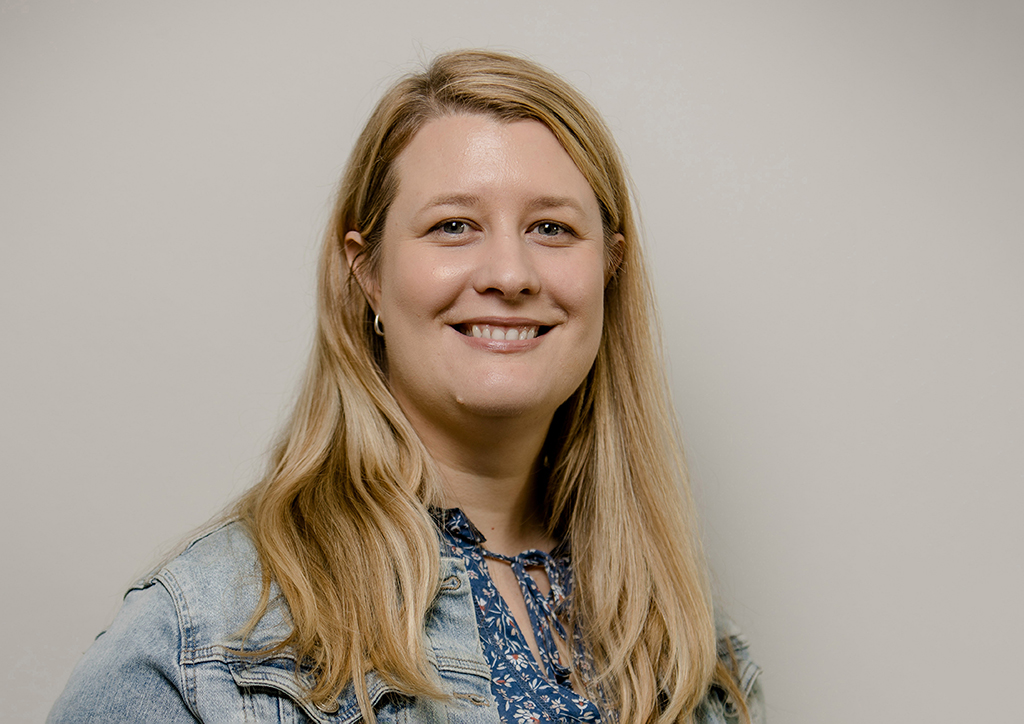
“I think the agricultural sector in South Africa is becoming more conscious of the fact that we have to make changes,” says Dr Minette Karsten, Crop Protection Programme Manager at Hortgro Science.
There is increasing pressure to reduce pome- and stone-fruit growers’ reliance on chemical treatments. “Our local and export markets prescribe which chemicals can and cannot be used and set the maximum residue levels for specific chemical products,” explains Karsten.
Several active ingredients are being banned due to evidence or concerns that they are harmful to human and environmental health, and growers must comply with regulations to maintain market access.
Growers are increasingly aware of the need to balance factors such as productivity, market demand, regulatory requirements, economic viability, and environmental sustainability.
In addition, the general public has become mindful of concepts such as food safety and the ecological footprint of products. “Consumers are interested in what they’re buying, both locally and in our export markets,” notes Karsten.
Launch of the Precision Crop Protection Workgroup
Karsten and her colleagues initiated the Precision Crop Protection Workgroup to discuss sustainability themes in the Crop Protection Programme. The group met for the first time in January 2025 to identify key strategies and prioritise research questions and goals.
The Workgroup consists of experts and stakeholders from diverse backgrounds and areas of specialisation. The group includes researchers, crop-protection technical advisers, sustainability experts, and representatives of regulatory bodies.
“The main driver of the Crop Protection Programme has been to provide integrated and sustainable crop-protection solutions to minimise losses and ensure market access,” says Karsten.
“In the first meeting of the Precision Crop Protection Workgroup, we asked questions such as what research has already been completed? Where are the gaps? What research do we need to prioritise going forward to ensure that growers have access to practices that support sustainable crop protection?”
Although the Workgroup discussions will inform the direction of the Crop Protection Programme’s research projects, there is an equally strong focus on research implementation and communication with growers.
Over the past 10 to 15 years, research in the Crop Protection Programme has developed numerous tools and methods that Karsten anticipates will be implemented by growers to make operational and other practices on farms and in pack houses more sustainable.
“Essentially, sustainable integrated pest and disease management is about utilising various methods of crop protection and not just applying a chemical spray,” says Karsten. “We need to think about monitoring first and then about tools such as biological control, soil health, cover crops, and other practices that manage pests and diseases in the orchard and in the pack house.”
For example, Karsten notes that Hortgro-funded research conducted by Prof. Lizelle Mostert at Stellenbosch University showed that diseased prunings discarded in the orchard can be a source of inoculum for stem cankers. Removing them reduces the risk of infections.
Similarly, Hortgro-funded research by Dr Noma Stokwe at Stellenbosch University and Dr Rinus Knoetze at the Agricultural Research Council demonstrated that adding organic material to the soil creates more favourable conditions for entomopathogenic nematodes, which can help control insect pests or suppress plant-parasitic nematodes.
Strategies to minimise chemical inputs
One of the major themes discussed by the Workgroup is the development of strategies to minimise chemical inputs used on farms and in pack houses. “How can we optimise inputs such as pesticides to minimise their downstream impacts on human health and the environment?” asks Karsten.
Minimising chemical inputs is a complex issue, and the Workgroup proposed several ideas and key questions for further engagement. The first steps involve identifying the requirements for sustainability and determining the goals that should be achieved.
“For example, what does sustainable farming look like in the current context for deciduous-fruit growers?” asks Karsten. Monitoring, and data evaluation and interpretation must be emphasised, so that all decisions are evidence-based.
One strategy to reduce chemical inputs is to promote precision spray application with the intention of minimising spray drift. Clear guidelines for spray application to minimise drift are in place in the European Union, but not in South Africa. Creating these guidelines and providing growers with a list of the available spray-drift management technologies are two of the Workgroup’s goals.
Potential new research projects related to this theme include conducting spray-drift evaluations, investigating the impact of nets on spray drift, and assessing the economic benefits of reducing chemical inputs. There are also plans to develop thresholds for pests and diseases for which thresholds are currently unavailable, aiming to improve decision-making on farms.
Further themes of the Workgroup
Other goals of the Workgroup include monitoring and managing insecticide resistance in alignment with established international standards, such as those of the Insecticide Resistance Action Committee, and conducting continued research into sustainable crop-protection practices. For example, several research projects are looking at alternative GRAS (Generally Recognised as Safe) products for sanitising pack houses.
Karsten emphasises the Workgroup’s commitment to transferring technical knowledge to growers. Several communications and best-practice guidelines on a wide variety of topics have been made available on the Hortgro website.
Additional documents focusing on sustainable crop-protection practices will be developed or revised and added to the website, for example, guidelines on monitoring major pests and diseases in deciduous fruit.
The Precision Crop Protection Workgroup will meet again in early 2026. If anyone is interested in joining the discussion, they are welcome to contact Dr Minette Karsten at minette@hortgro.co.za.
Related Posts:
The widening circle How a shrinking world is driving evolution in the regulatory environment. By Anna Mouton. The South African fruit industry has…
Monitoring and mitigation How can growers best protect their fruit against spotted wing drosophila? By Anna Mouton. The establishment of spotted wing drosophila…
Sustainability gets its own programme Hortgro has established the Resource Management and Sustainability Programme to help ensure the future of the deciduous-fruit industry. By Anna…
Mapping success for growers CapeFarmMapper is an online mapping portal assisting users with agricultural planning and environmental management. By Ilyaas Rhoda. Geographic information systems…
A new agricultural revolution The focus shifts to sustainability. By Anna Mouton. Agricultural production has grown exponentially for nearly two centuries. Outputs more than…
Rest-breaking alternatives for apples and pears The search continues for chemical rest-breaking alternatives to hydrogen cyanamide for South Africa’s pome-fruit industry. By Jenny Underhill. Rest-breaking agents…